

Is House Vinyl Siding Better Than Wood or Fiber Cement in Connecticut?
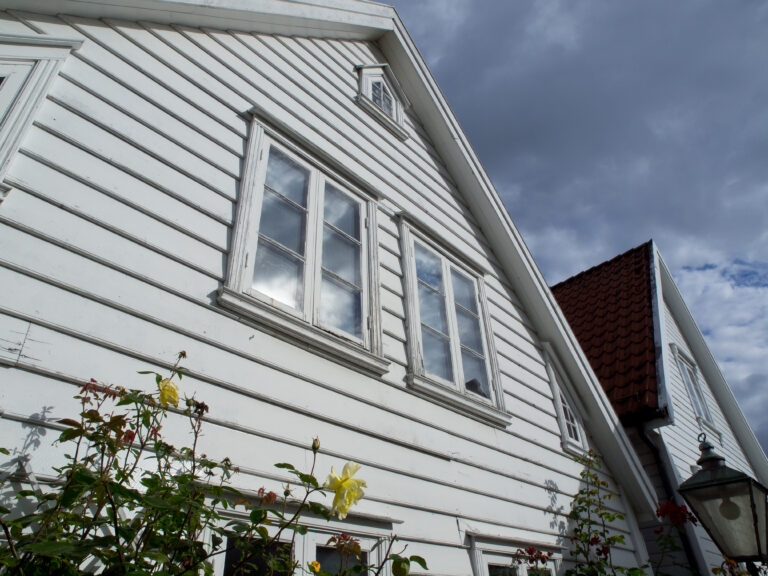
When it is time to upgrade your home’s exterior, many homeowners focus mainly on cost and appearance. While both matter, the siding you choose also affects energy efficiency, maintenance, durability, and long-term home value. In Connecticut’s unpredictable climate, your siding must protect your home from harsh winters, rain, humidity, and changing temperatures for years to come.
One of the biggest decisions homeowners face is choosing between house vinyl siding and traditional materials like wood, fiber cement, or aluminum. Each option has its own advantages, maintenance needs, and lifespan. Some provide a more natural appearance, while others are designed for lower upkeep and better weather resistance. Choosing the right siding is about more than curb appeal.
What counts as traditional siding?
Before comparing materials side by side, it helps to define what traditional siding actually means. In Connecticut and across the northeastern United States, the most common traditional siding materials used before vinyl siding became widely adopted are wood, fiber cement, and aluminum. Each was the industry standard in its era. Each comes with a distinct performance profile that is worth understanding before you commit.
Wood siding
Wood siding is the oldest and most classic exterior cladding material used on American homes. It includes clapboard, shingles, board and batten, and tongue-and-groove profiles. Wood has genuine natural beauty and can be painted or stained in any color. However, it requires regular maintenance every 3 to 5 years to keep it from rotting, warping, swelling, and attracting insects. In Connecticut’s wet climate, wood siding that is not carefully maintained deteriorates quickly and expensively.
Fiber cement siding
Fiber cement became popular in the 1990s as a more durable alternative to wood. It is made from a mixture of cement, sand, and cellulose fiber and can be manufactured to look like wood grain. It is more resistant to rot, fire, and insects than real wood. However, it is very heavy, difficult to install, and still requires painting every 10 to 15 years. It is also more expensive to install than house vinyl siding due to the labor involved in handling its weight.
Aluminum siding
Aluminum siding was the dominant choice for American homes from the 1940s through the 1970s before vinyl took over. It does not rot and is relatively low maintenance, but it dents easily, fades over time, and requires painting to restore its appearance. Many Connecticut homes built in that era still have their original aluminum siding, which by now is typically well past its useful life.
Why Vinyl Siding Became the Standard Choice for Connecticut Homes
House vinyl siding is made from polyvinyl chloride (PVC) resin engineered specifically for exterior use. The color is built into the material during manufacturing rather than applied as a surface coat, which is why it does not peel or fade the way painted materials do. Modern vinyl is manufactured to precise tolerances that allow panels to expand and contract with temperature changes without buckling, cracking, or pulling away from the wall.
In 2026, vinyl siding accounts for the majority of all new siding installations across the United States, and for good reason. Over 50 years of material development have produced a product that handles virtually every climate condition reliably, requires almost no ongoing maintenance, and is available in a range of styles and textures that convincingly replicate the look of wood without any of the upkeep.
At Creative Home Improvement LLC, vinyl siding installation has been one of our most requested services since the material became available. We have installed it on hundreds of Connecticut homes across Fairfield County, New Haven County, and The Valley area and have seen firsthand how it holds up through Connecticut winters, wet springs, and humid summers over decades of real-world use.
Head-to-head comparison: house vinyl siding vs traditional siding materials
Category | Vinyl Siding | Wood Siding | Fiber Cement | Aluminum |
Lifespan | 30 to 40+ years | 10 to 20 years (maintained) | 25 to 30 years | 20 to 30 years |
Maintenance required | Very low (rinse annually) | High (paint every 3 to 5 years) | Medium (paint every 10 to 15 years) | Medium (dents, fading) |
Moisture resistance | Excellent (does not absorb water) | Poor (rots if not maintained) | Good | Good |
Insulation option | Yes (insulated vinyl available) | No | No | No |
Installation cost (CT) | Moderate | Moderate to high | High (heavy, labor-intensive) | Moderate |
Color options | 50+ colors, many styles | Any (painted) | Any (painted) | Limited, fades over time |
Impact resistance | Good (impact-rated available) | Fair | Excellent | Poor (dents easily) |
Energy efficiency | Excellent with insulated vinyl | Low | Low | Low |
Pest resistance | Excellent (no food source for pests) | Poor (termites, carpenter bees) | Good | Excellent |
Resale value impact | High (top ROI in studies) | Moderate | High | Low to moderate |
The maintenance reality: what each siding type actually costs you over time
Most homeowners compare siding options based on installation price alone. That is one of the most expensive mistakes you can make. The real cost of siding is the total cost of ownership over its entire lifespan, including every maintenance expense you will pay along the way.
Wood siding total cost of ownership
A wood-sided home in Connecticut needs to be repainted or restained every 3 to 5 years. A full exterior repaint on an average Connecticut home costs between $3,000 and $8,000 depending on size, including labor and materials. Over a 30-year period, that adds up to six or more paint jobs at a total cost of $18,000 to $48,000 in maintenance alone, before accounting for any rot repairs, board replacements, or pest treatments.
Fiber cement total cost of ownership
Fiber cement needs repainting less frequently than wood, but the paint jobs themselves are more complex because the surface must be properly prepared to accept paint adhesion. Expect a repaint every 10 to 15 years at a similar or higher cost than wood due to the preparation involved. Over 30 years, that is two to three major paint jobs plus ongoing caulking and joint maintenance.
The total cost of owning vinyl siding in Connecticut
Once installed, vinyl siding requires almost no ongoing financial investment. It never needs painting, staining, or caulking along panel runs. An annual rinse with a garden hose keeps it looking clean. The primary maintenance cost over 30 years is essentially zero beyond occasional panel replacement if a section is damaged. This is why the long-term value of vinyl siding installation consistently outperforms every traditional siding material when you calculate total cost of ownership honestly. According to remodeling industry cost-vs-value reports, vinyl siding replacement consistently ranks among the highest ROI exterior upgrades for homeowners, often recovering a large percentage of installation costs at resale while also improving curb appeal and energy efficiency.
How Connecticut’s climate makes the case for house vinyl siding
Connecticut is one of the harder climates for exterior siding in the United States. The freeze-thaw cycles that hit from November through March cause materials to expand and contract repeatedly. Spring brings sustained heavy rainfall. Summer brings heat and humidity. Any siding material that absorbs moisture, holds paint on the surface, or is vulnerable to pest activity will degrade significantly faster in Connecticut than in more temperate climates.
Vinyl siding was engineered specifically to handle this kind of climate cycling. Its thermal expansion properties are built into the design of the interlocking panel system, which allows each panel to move slightly with temperature changes without pulling away from the wall or buckling. It absorbs no moisture, which eliminates the rot and mold risk entirely. And because its color is fused into the material itself rather than applied on top, it does not peel, blister, or fade the way painted surfaces do under UV exposure and weather cycling.
For Connecticut homeowners specifically, this combination of properties makes house vinyl siding the most practical, cost-effective, and long-lasting exterior choice available in 2026.
Where house vinyl siding falls short: being honest about the limitations
A genuinely useful comparison requires honesty about the weaknesses of every material, including vinyl. Here is where house vinyl siding has real limitations that homeowners should understand before deciding:
It can crack under extreme impact
Standard vinyl siding is not the most impact-resistant siding material available. A hard enough impact from a baseball, a branch, or hail can crack a panel. The good news is that cracked panels are relatively easy and inexpensive to replace compared to repairing rot damage in wood or repainting an entire side of fiber cement. Impact-rated vinyl is also available for areas prone to hail or heavy storm activity, which addresses this concern significantly.
It can warp near high heat sources
Vinyl has a relatively low heat tolerance compared to fiber cement or aluminum. Placing a grill or fire pit too close to a vinyl-sided wall, or positioning a glass door that reflects concentrated sunlight onto a panel, can cause warping. This is not a common issue but it is worth knowing if your home has specific features that could create concentrated heat exposure on exterior walls.
The look, while improved, is not identical to real wood
Modern vinyl siding profiles do an excellent job of replicating the texture and visual character of wood siding. But a trained eye can still tell the difference, particularly on high-end historic homes where architectural authenticity matters. If you own a historic property where the exterior appearance must meet specific preservation standards, consult with a qualified siding professional about whether vinyl profiles will satisfy those requirements before proceeding.
How vinyl siding installation fits into a complete exterior remodeling plan
Siding is not an isolated decision. It is part of your home’s complete exterior system, which includes the roof, windows, gutters, and the wall structure beneath the cladding. The smartest approach to exterior home remodeling treats all of these systems together rather than replacing them one at a time.
At Creative Home Improvement LLC, we offer complete exterior home remodeling that includes vinyl siding installation, seamless gutter installation, roof replacement and roofing services, and home renovation services including window replacement services handled right here in Connecticut. When you bundle these projects together with one trusted team, you get better coordination between systems, a consistent quality standard across every surface, and typically lower overall cost than scheduling each trade separately.
For example, if you are planning vinyl siding installation and your gutters are already 15 years old, replacing them at the same time as the siding prevents water damage to your brand-new investment. Similarly, if your windows are drafty and aging, pairing window replacement with a vinyl siding contractor who handles both means the window and siding transitions are sealed and finished correctly by the same team that understands how they interact.
What Vinyl Siding Styles Are Available in Connecticut in 2026?
One of the most frequent misconceptions about vinyl siding is that it looks generic or limited. Modern vinyl siding is available in a wide range of profiles, textures, and colors that give homeowners genuine design flexibility. Here is what is available when you work with an experienced vinyl siding contractor in Connecticut:
Horizontal lap siding
The most classic and widely used profile. Horizontal lap siding replicates the look of traditional wood clapboard and is available in a range of widths from 3.5 inches to 8 inches. Wider profiles give a more contemporary, clean look while narrower profiles feel more traditionally New England in character.
Dutch lap siding
A variation of horizontal lap with a distinctive shadow line cut into each panel, giving the exterior more visual depth and texture. Dutch lap is a popular choice for Connecticut homes where the homeowner wants the clean lines of vinyl with slightly more architectural interest than standard lap.
Vertical board and batten
Used as a full exterior profile or as an accent on gables, dormers, or entry features, board and batten vinyl adds a farmhouse or craftsman character that has become increasingly popular in home renovation services projects across Connecticut over the past five years.
Shake and shingle profiles
Vinyl shakes and shingles replicate the look of cedar shingles without any of the cedar maintenance requirements. They are commonly used as accent panels on upper gables or dormers but can also be used as the primary siding on smaller homes or cottages.
Insulated vinyl siding
Insulated vinyl has a layer of rigid foam bonded to the back of each panel during manufacturing. This adds meaningful thermal resistance to the wall assembly, reduces outside noise transmission, and gives the panels more rigidity and a fuller look on the wall. For Connecticut homeowners concerned about energy efficiency, insulated vinyl siding installation is one of the highest-value upgrades available in exterior home remodeling today. Properly installed insulated vinyl siding can also help reduce thermal bridging through exterior wall studs, improving indoor comfort and helping older Connecticut homes maintain more stable indoor temperatures year-round.
If you are considering vinyl siding installation in Connecticut, Creative Home Improvement LLC can inspect your current exterior and help you compare siding options based on your home, budget, and long-term goals.
Conclusion
When you compare house vinyl siding against wood, fiber cement, and aluminum honestly, the advantages are substantial and consistent. Lower total cost of ownership, virtually zero ongoing maintenance, superior moisture resistance, excellent energy efficiency with insulated options, and a decades-long proven performance record in exactly the kind of climate Connecticut delivers year after year.
Traditional siding materials have genuine qualities worth acknowledging, but for the vast majority of Connecticut homeowners in 2026, vinyl siding installation delivers better long-term value than any alternative. Whether you are replacing failing siding, planning a broader exterior home remodeling project, or simply tired of repainting every few years, Creative Home Improvement LLC is ready to help. We have been installing house vinyl siding on Connecticut homes since 1974, backed by a Lifetime Warranty on both product and labor. Call us today for a free, no-pressure estimate and let us show you what 50 years of experience looks like in your home.
Table of Contents
Latest Posts


Contact us
[forminator_form id="12006"]
FAQs
What is the cheapest siding for a house?
Vinyl is the most affordable siding option when you factor in both installation and long-term maintenance. Wood costs less upfront in some cases but requires repainting every 3 to 5 years, making it significantly more expensive over time
Does vinyl siding increase home value?
Yes. Vinyl siding installation consistently delivers one of the highest returns on investment in exterior home remodeling, often recouping 75 to 80 percent of its cost at resale while also improving curb appeal and buyer interest.
How often does vinyl siding need to be replaced?
Quality vinyl siding lasts 30 to 40 years or more with minimal upkeep. At Creative Home Improvement LLC, our installations come with a Lifetime Warranty so you are covered long past the typical lifespan.
Can vinyl siding be installed over existing siding?
In some cases yes, but it is generally not recommended. Installing over old siding can trap moisture and hide underlying damage. A professional siding installer will inspect the wall first and recommend whether removal is necessary.
Does vinyl siding crack in cold weather?
Standard vinyl can become brittle in extreme cold and crack under impact. However, quality vinyl siding is engineered to flex with temperature changes. Impact-rated vinyl is available for areas with harsh winters or hail risk.